
DIY Vs Professional Installation: Which Causes More Shower Screen Problems In Wollongong?
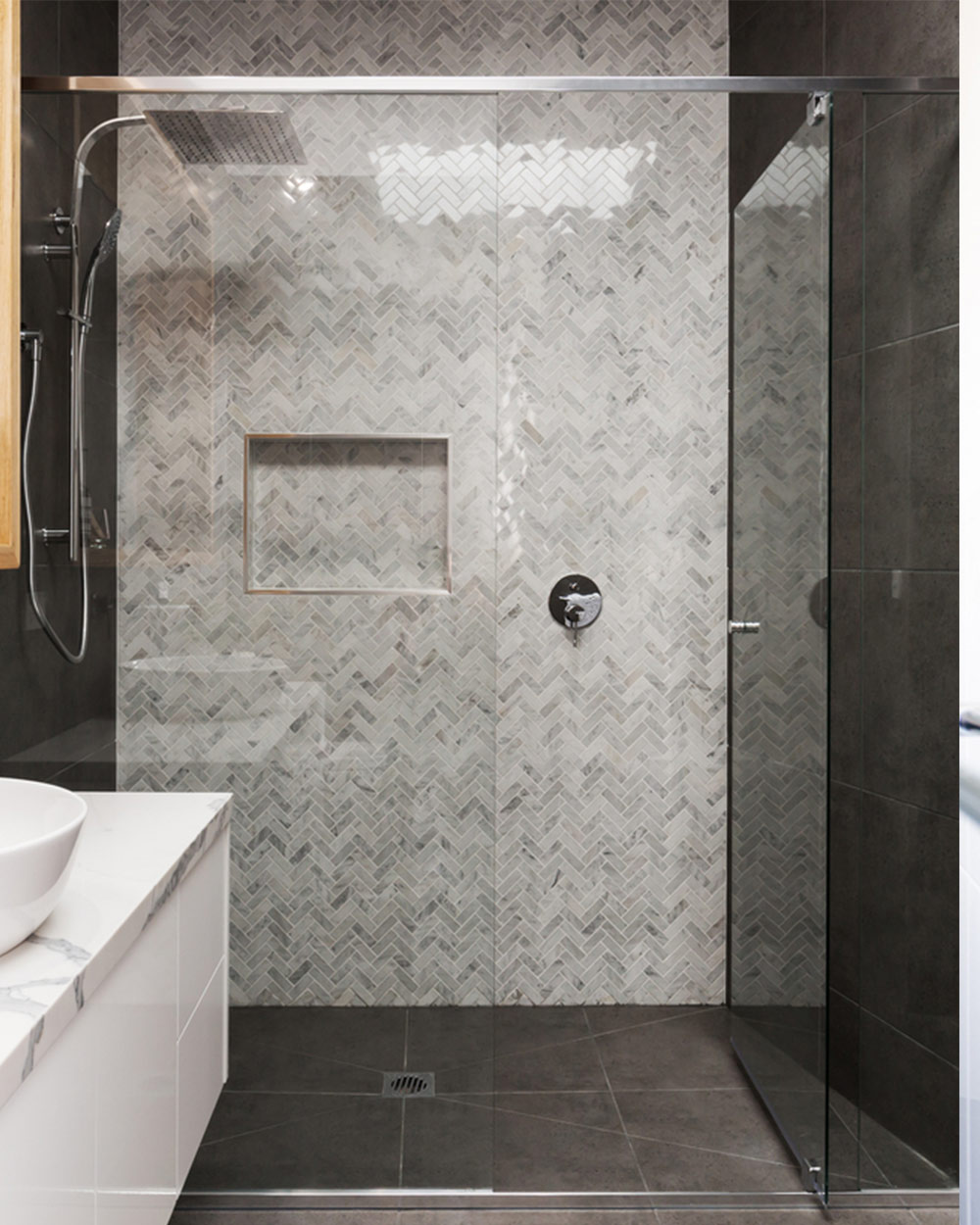
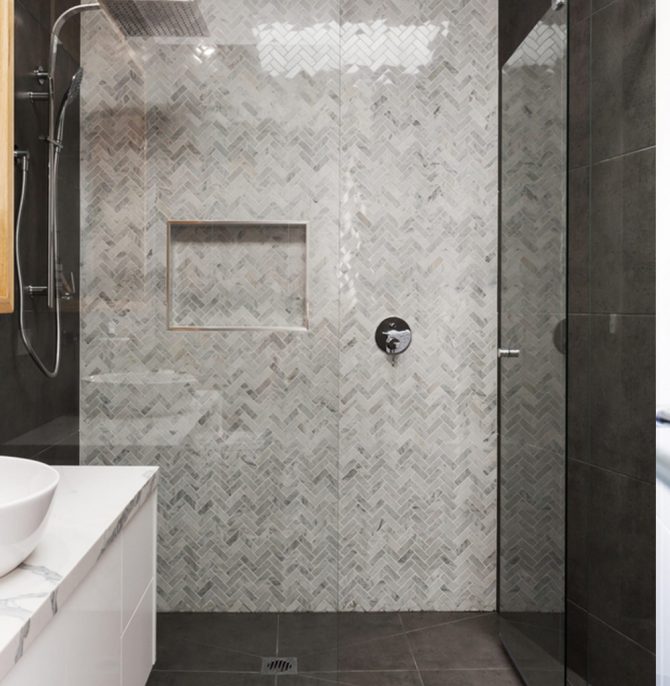
A shower screen is one of the most visible elements in a bathroom renovation, and the temptation to install it yourself is understandable — particularly when the product looks straightforward and the installation instructions seem manageable. But shower screens are also one of the more unforgiving bathroom fixtures when something goes wrong. A small error in levelling, drilling, or sealing can lead to leaks, tile damage, glass stress and, in the worst case, glass failure.
For Wollongong homeowners renovating a bathroom, understanding what can go wrong with DIY shower screen installation — and why professional installation is the more reliable path for most situations — is worth working through before you make a decision. If you’re exploring shower screens in Wollongong, this guide covers the common mistakes, the real risks and what the Illawarra’s coastal conditions add to the equation.
Why Shower Screen Installation Is More Complex Than It Looks
From a distance, installing a frameless or semi-frameless shower screen looks like a matter of drilling some holes, fixing brackets to the wall and attaching the glass. In practice, each of those steps has a precision requirement that, if not met, creates a cumulative problem. The glass is heavy and unforgiving. The walls in most Wollongong homes are tiled and not always perfectly plumb or level. The floor may not be perfectly flat. The threshold between the screen and the shower floor needs to seal correctly.
A professional installer brings the tools and experience to measure, assess and correct for these variables. A DIY installer working from instructions is assuming surfaces and measurements are ideal — which they rarely are.
The Most Common DIY Shower Screen Installation Mistakes
The most common DIY shower screen installation mistakes are predictable:
- Incorrect drilling into tiles: tiles crack when a standard drill bit is used instead of a diamond-tipped tile drill, or when the drill speed and pressure aren’t controlled for ceramic or porcelain surfaces. A cracked tile during installation can compromise the waterproofing of the wall and requires replacement before the screen can proceed
- Misaligned or out-of-plumb fixing points: if the wall fixings aren’t perfectly plumb and aligned with each other, the glass panel will sit at an angle. This creates uneven stress on the glass and on the fixings, and produces a visible gap at the top or bottom of the screen that cannot be adequately sealed
- Inadequate or incorrectly applied silicone: the silicone seal between the screen and the wall and floor is the primary waterproofing barrier. Applying too little, using the wrong grade of silicone, or not allowing adequate cure time before use are all common errors that lead to early seal failure
- Overtightening fixings: glass cannot flex the way timber or metal can. Over-tightening the bolts or clamps that hold a frameless screen in place creates point stress on the glass that can lead to cracking or, in some cases, spontaneous fracture
How Incorrect Installation Leads to Leaks
The most common practical consequence of a poorly installed shower screen is water escaping the shower enclosure. This can happen through a failed silicone seal at the base or sides of the screen, a gap created by an out-of-plumb panel that prevents the seal from sitting flush, or a door that doesn’t hang correctly and leaves a gap at the bottom.
Water escaping the enclosure over time saturates tile substrates, promotes mould in wall cavities and, in timber-framed bathrooms, causes structural damage that only becomes apparent once it’s already extensive. In Wollongong’s coastal environment, moisture damage progresses faster than in drier inland areas.
Glass Stress and the Risk of Spontaneous Fracture
Toughened safety glass is used in all compliant shower screens and is designed to break into small granular pieces if it fractures. But toughened glass is not indestructible — it is vulnerable to failure caused by sustained point stress.
Point stress occurs when glass is held against a hard surface without adequate cushioning, or when the holding force is uneven. Microscopic damage accumulates at the stress point until the glass eventually fractures.
Conditions that create glass stress include:
- Fixings tightened directly against glass without rubber or nylon spacers
- A panel that has been installed at an angle and is being held in compression against a wall fitting
- A door hinge that is misaligned and transferring load unevenly across the glass panel
Professional installers use the correct spacers, set fixings to the appropriate torque and check panel alignment before finalising the installation — precisely to prevent these stress points from developing.
Why Wollongong’s Coastal Climate Makes Sealing More Critical
The Illawarra coast’s proximity to the ocean means salt air is a constant factor. Salt accelerates corrosion on metal fixings and degrades silicone formulations faster than in inland settings, making seal specification and surface preparation more consequential for shower screens in Wollongong.
Standard silicone applied without proper surface preparation will degrade more quickly in a coastal environment than product specifications suggest. Professional installers use marine-grade or high-performance silicone suited to local conditions and apply it in a way that maximises adhesion. For shower screens near Wollongong, this selection matters more than it would in a less exposed location.
When DIY Installation Is and Isn’t Appropriate
DIY installation is not uniformly inappropriate. For a simple over-bath screen with limited fixings and straightforward alignment, a careful and experienced DIYer can achieve a satisfactory result. The risk profile increases with complexity.
Situations where professional installation is strongly advisable:
- Frameless glass panels, which are heavier, require more precise alignment and have less tolerance for installation error than framed or semi-framed alternatives
- Bathrooms with out-of-plumb or unlevel surfaces, which require shimming and adjustment that isn’t covered by standard installation instructions
- Installations over existing tiling in older Wollongong homes, where the tile type, substrate and waterproofing condition may be unknown
- Any installation near existing structural elements, penetrations or in a bathroom that has had previous water damage
The Real Cost Comparison: Installation vs Rectification
The financial case for professional installation is made most clearly by rectification costs. A failed seal requires the screen to be removed, the sealant stripped and the screen reinstalled. Cracked tiles need replacement before reinstatement. A stress-cracked glass panel needs full replacement.
The cumulative cost of rectifying a poorly executed DIY installation frequently exceeds what professional installation would have cost at the outset. For a bathroom renovation where tiles, fittings and waterproofing already represent a significant investment, professional screen installation is a small proportion of the total.
Glass Shower Screens in Wollongong
The One Glass & Hardware supplies glass shower screens in Wollongong for residential bathroom renovations across the Illawarra. Whether you’re working with a professional installer or want to understand what the installation involves before you commit, get in touch with our team to discuss your project and explore the options available.
