
How To Spot (And Fix) Glass Balustrade Problems Before They Get Worse
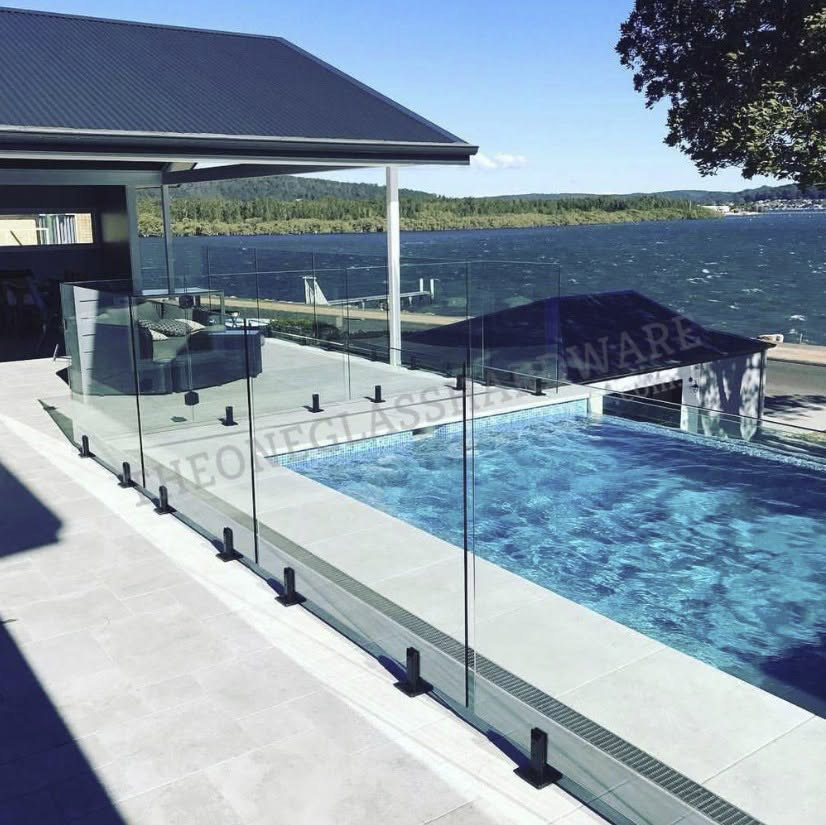
A glass balustrade that looked great on day one can develop problems over time, and most are easier and cheaper to fix when caught early. For Wollongong homeowners, the coastal environment adds an extra layer of challenge, with salt air, humidity and UV exposure accelerating wear on both the glass and the hardware in ways that inland properties rarely experience. This guide walks through the most common signs of trouble on glass balustrades in Wollongong, what each one means and what you can realistically do about it before a manageable issue becomes a costly repair or a safety concern.
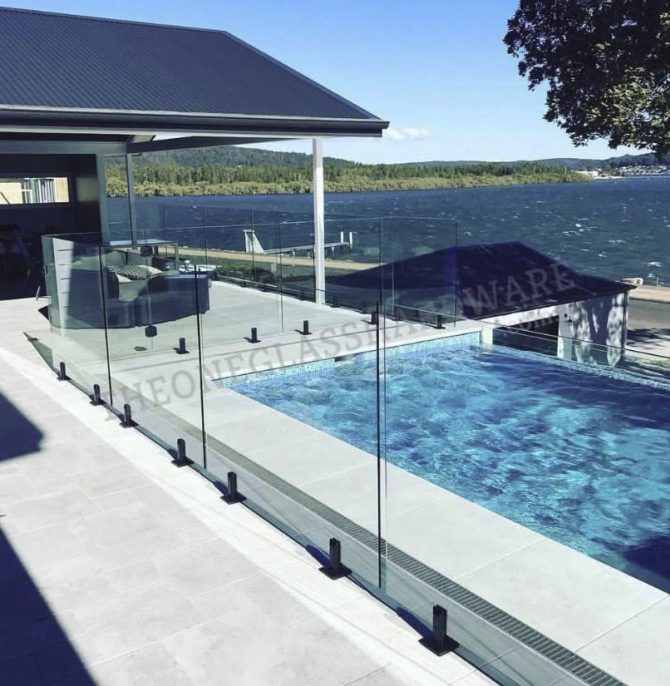
Signs Your Glass Balustrade Has a Problem
Not every balustrade problem announces itself clearly, and some of the most significant issues develop gradually over months or years before they become obvious. The most reliable way to catch problems early is to inspect the full system regularly rather than only when something is clearly wrong.
Walk along the full length of the balustrade and look for changes in the glass surface, discolouration or pitting on the hardware, any movement when you apply lateral pressure to the panels, and gaps or softening in the sealant at the base of the panels or at wall junctions. Each of these is a signal worth investigating. The sections below cover what each issue typically means and how to approach it.
Cloudy or Etched Glass: What It Means
A milky, hazy or etched appearance on glass that was once clear is usually caused by mineral deposit build-up or surface etching from prolonged exposure to salt, cleaning chemicals or hard water. The distinction matters because the two require different responses.
Mineral deposits from hard water or salt spray sit on the surface of the glass and, if left untreated, bond more strongly over time. In the early stages, a specialised glass cleaner or diluted white vinegar solution with a non-abrasive cloth will often resolve it. Left too long, professional restoration is needed to avoid scratching the surface in the process.
Surface etching is more permanent. It occurs when the actual surface of the glass is chemically degraded, often from cleaning products containing bleach or strong acids. Polishing by a professional can reduce the visibility of etching, but severe cases typically mean the panel needs replacing. For coastal glass balustrades in Wollongong, rinsing panels with fresh water after salt air exposure is one of the simplest and most effective preventive habits available.
Rust or Corrosion on Fittings: What It Means
Corrosion on balustrade hardware, including spigots, posts, glass clamps and top rail fixings, is one of the most common problems for coastal properties in the Illawarra. Balustrade hardware corrosion typically begins as surface discolouration, a reddish-brown tint on stainless steel or pitting on lower-grade metals, before progressing to structural degradation of the fitting itself.
Surface rust on stainless steel can often be addressed with a stainless steel cleaner and passivation treatment. Corrosion that has penetrated the fitting or caused visible pitting is a different matter — at that point the hardware needs replacing, not cleaning. This distinction is important because corroded spigots or posts that have lost structural integrity are a safety issue, not just an aesthetic one. For more detail on how this develops in the coastal environment, our blog on why coastal balustrades develop problems covers the progression in depth.
Loose Posts, Spigots or Handrails: What It Means
Any movement in a structural component of a glass balustrade is a safety concern and should not be left unattended. If a glass panel wobbles when pushed, a spigot rocks in its base or a top rail feels loose at its connections, the system is no longer performing as designed and as required by Australian standards.
The cause can vary considerably. A spigot installed in a substrate that has deteriorated will loosen progressively over time. A top rail connection can work loose through repeated thermal expansion and contraction. In some cases, the glass panel has shifted within the spigot or clamp because the rubber setting blocks have compressed or degraded with age.
For a frameless glass balustrade where the panels are the primary structural element, movement at the spigot connection is particularly significant and should be assessed by a professional rather than left or temporarily stabilised.
Failing Seals Around the Glass: What It Means
The silicone seals at the base of glass panels, whether around spigots, in channel systems or at the junction with a wall or floor, serve two important functions. They prevent moisture from penetrating behind the glass or into the fixing point, and they allow for the minor structural movement that all buildings experience over time.
A seal that is cracking, peeling, discolouring or has developed visible gaps is no longer fulfilling either function. In coastal Wollongong conditions, degraded seals allow salt moisture to sit against hardware and substrate, significantly accelerating the corrosion process. On a toughened glass balustrade installed over a timber deck or into masonry, ongoing moisture ingress can also cause structural deterioration of the substrate behind the fixing point.
Silicone replacement is within the capability of a confident DIYer where the underlying hardware and substrate are confirmed to be sound. Use a marine-grade or UV-stabilised silicone rather than a standard product for longevity in the coastal environment.
DIY Fixes vs When to Call a Specialist
The DIY versus specialist question comes down to whether the problem is cosmetic or structural, and whether the cause is clearly understood.
DIY is generally appropriate for surface mineral deposit removal from glass, basic cleaning of surface rust from stainless steel hardware, replacing degraded silicone seals where the hardware and substrate beneath are in good condition, and tightening loose grub screws or clamp fittings where the issue is clearly at the connection point rather than at the base.
A specialist should be called when there is any structural movement in the balustrade, when corrosion has penetrated hardware beyond the surface layer, when glass panels show chips, cracks or star fractures, or when the cause of a problem is not clearly understood. Balustrades in Wollongong must comply with specific load and height requirements under NSW building standards, and any work that affects the structural performance of the system should be assessed by someone qualified to confirm that full compliance is restored.
Preventing Future Problems in Coastal Wollongong Homes
The most effective strategy for coastal glass balustrades in Wollongong is consistent, low-effort maintenance rather than periodic intensive remediation. Rinsing glass panels and hardware with fresh water after salt air exposure removes deposits before they bond or accelerate corrosion. A regular wipe-down with a glass-safe cleaner keeps the surface clear and makes it easier to spot developing issues.
Inspecting the hardware and seals at least once a year means problems are identified while they are still straightforward to address. Choosing marine-grade stainless steel and corrosion-resistant hardware from the outset is also worth the additional investment for any property close to the Wollongong coastline, where the environment places significantly more demand on outdoor fittings than most product specifications are designed for.
Talk to The One Glass and Hardware
Whether you need replacement glass panels, new hardware or advice on what your balustrade actually requires, The One Glass and Hardware stocks glass balustrades in Wollongong and a full range of associated hardware including spigots, posts, clamps and top rails. Get in touch or visit the Unanderra workshop to discuss your project.
Frequently Asked Questions
Can I replace a single glass panel in my balustrade without replacing the whole system?
In most cases, yes. Individual toughened glass balustrade panels can be replaced without disturbing the rest of the system, provided the hardware is in good condition and the replacement panel is cut to the correct dimensions. The One Glass and Hardware can supply cut-to-size replacement panels for most balustrade configurations.
How do I know if my balustrade hardware needs replacing or just cleaning?
Surface rust or discolouration on stainless steel can often be cleaned. If the hardware shows visible pitting, structural corrosion or any loss of rigidity, it needs replacing. When in doubt, have it assessed by a professional, particularly for load-bearing components like spigots and posts.
Is it safe to use my balustrade while I wait for a repair?
If the balustrade shows any structural movement, loose spigots or cracked glass, it should not be used until the issue is assessed and repaired. Balustrades are safety-critical structures and must be fully compliant with Australian standards to function as intended.
What type of silicone should I use for balustrade seal repairs near the coast?
Use a marine-grade or UV-stabilised neutral-cure silicone. Standard silicone degrades faster in UV-exposed coastal environments and may not adhere correctly to glass or stainless steel. Avoid acetate-cure silicones near metal hardware as the acetic acid released during curing can accelerate corrosion.
