
How To Fix Leaking Shower Screens In Wollongong Bathrooms
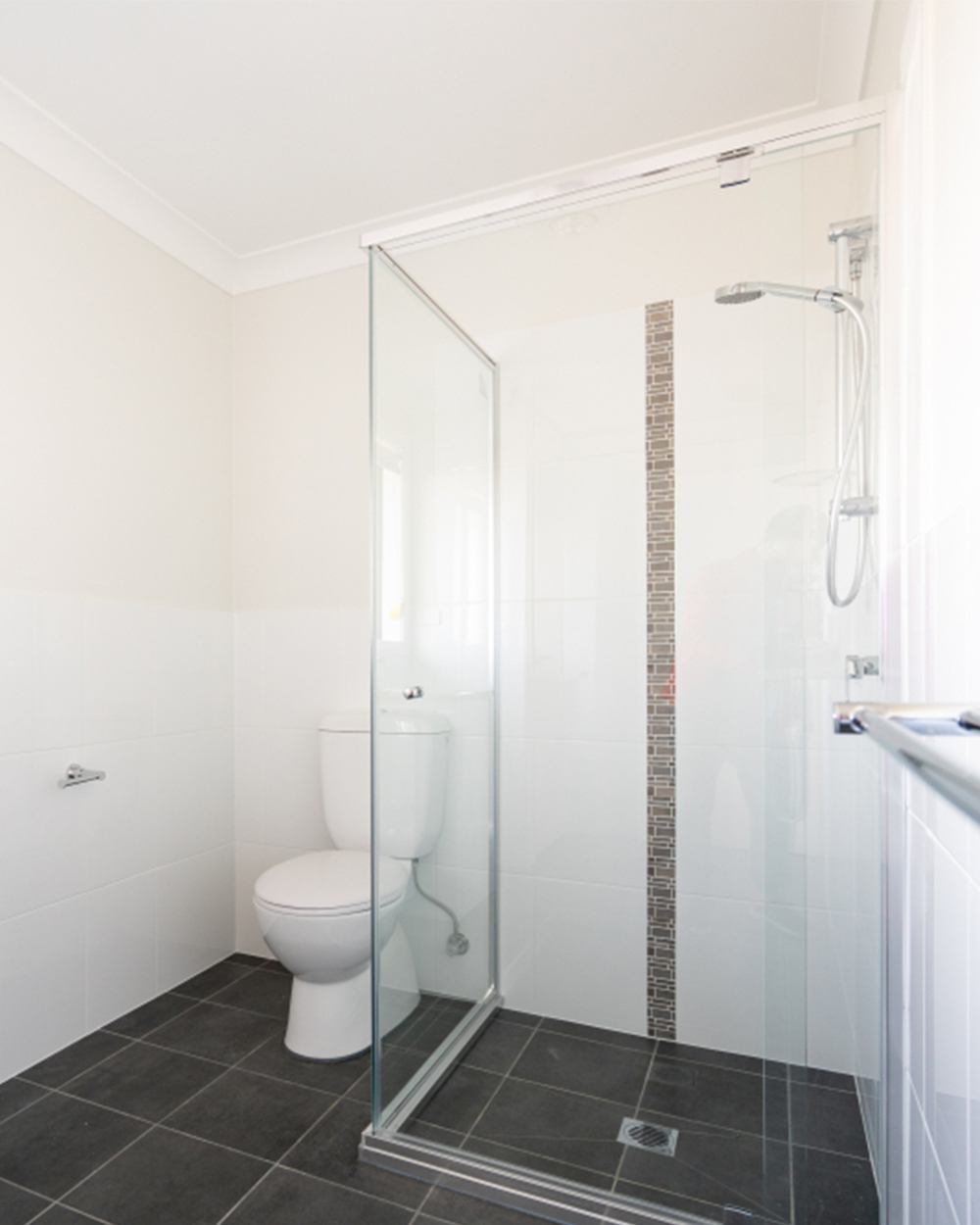
A leaking shower screen can start as a small annoyance, but over time it often becomes a persistent problem that affects the entire bathroom. Water escaping from the shower area may create slippery floors, moisture build-up around fittings and damage to nearby cabinetry or wall finishes. Many homeowners first notice the issue as small pools of water forming outside the shower after each use.
Leaking shower screens in Wollongong are more common than many people realise. Bathrooms are exposed to daily moisture, temperature changes and regular cleaning, all of which can gradually affect seals, fittings and glass hardware. While the problem can sometimes be addressed with simple adjustments, in other cases it signals that the shower screen system itself has reached the end of its useful life.
Understanding what causes shower screens to leak, how to identify the source of the problem and when replacement may be worth considering can help homeowners make informed decisions during bathroom maintenance or renovation.
Why Shower Screens Start to Leak Over Time
Shower screens rely on several components working together to keep water contained within the shower area. Glass panels, door hinges, channels, seals and hardware all play a role in directing water back toward the drain. Over time, these components can wear down or shift slightly, allowing water to escape.
Even small gaps can lead to leaks once water pressure from the shower head pushes water toward the edges of the screen. Repeated exposure to moisture also affects materials that are designed to keep water in place.
Common factors that contribute to leaking shower screens in Wollongong include:
- Seals that gradually harden or shrink due to age & humidity
- Movement in hinges or sliding tracks from regular use
- Minor shifts in the frame or glass panels
- Water splashing directly onto joints or door edges
- Cleaning products that degrade rubber or plastic components
Because multiple elements are involved, identifying the exact cause of a leak often requires looking at the entire shower screen system rather than a single part.
Signs That Your Shower Screen Is Causing Water Leaks
Water on the bathroom floor after showering is often the most obvious sign of a leak. However, other indicators can appear earlier and may point to developing issues with the shower screen.
Recognising these warning signs early can help limit further water exposure in the bathroom.
Some of the most common signs include:
- Water pooling outside the shower after use
- Damp areas along the base of the screen or near corners
- Water trails running along the outside of the glass
- Visible gaps between the door & fixed panels
- Mould forming near the base of seals or tracks
These signs do not always indicate a major fault. In many situations, minor adjustments or replacing worn components may reduce the problem.
The Role of Seals & Waterproofing Strips
Seals and waterproofing strips sit along the edges of shower screen doors and panels. Their role is to guide water back into the shower area while allowing doors to open and close freely.
Over time, these seals may lose flexibility or begin to pull away from the glass. Once this happens, water can pass through the gaps created between the screen and surrounding surfaces.
Typical issues related to worn seals include:
- Cracked or brittle plastic or rubber strips
- Sections that no longer sit flush against the glass
- Discolouration caused by long-term moisture exposure
- Pieces that have come loose during cleaning
Replacing worn seals is often a straightforward way to reduce leaks. However, if the underlying alignment of the shower screen has shifted, replacing seals alone may not address the problem.
When Hardware & Hinges Contribute to Leaks
Shower screen hardware includes hinges, brackets, channels and sliding door mechanisms. These components support the glass panels and keep them positioned correctly within the enclosure.
When hardware begins to loosen or wear down, the door or panels may move slightly. Even small changes in alignment can create gaps where water escapes.
Hardware-related issues may involve:
- Hinges that no longer hold the door in its original position
- Sliding tracks that allow the door to shift during use
- Brackets that have loosened from the wall or floor
- Doors that no longer close evenly against seals
Inspecting hardware periodically may reveal whether a leak is connected to mechanical wear rather than seal damage.
Installation Issues That May Lead to Leaks
Some shower screen leaks appear shortly after installation rather than years later. In these cases, the problem may relate to the positioning of the glass panels, door alignment or the slope of the shower base.
Installation details influence how water flows within the shower enclosure. If the screen sits slightly out of alignment, water may travel toward the edges instead of draining correctly.
Possible installation-related causes include:
- Glass panels installed slightly off level
- Door gaps that are wider than expected
- Channels that were not sealed properly
- Shower bases that do not direct water toward the drain
When these conditions occur, adjustments or replacement of certain components may be considered depending on the design of the shower screen.
Quick Checks Homeowners Can Try First
Before replacing a shower screen, there are a few checks that homeowners may carry out to better understand where the leak originates. Observing how water moves during a shower can often highlight the location of the problem.
Some practical checks include:
- Looking for worn or damaged seals along the base of the door
- Checking whether hinges or handles feel loose when the door moves
- Inspecting tracks or channels for debris that blocks drainage
- Running the shower briefly to see where water begins to escape
- Cleaning around seals & joints to remove residue build-up
These checks can sometimes identify small issues that may be resolved through minor adjustments or component replacement.
When Repair Might Be Possible
In some cases, a leaking shower screen can be addressed by replacing individual parts or adjusting existing hardware. Repairs are often considered when the glass panels themselves remain intact and the overall structure of the screen has not shifted.
Situations where repair may be considered include:
- Replacing worn or hardened seals
- Tightening or adjusting door hinges
- Installing new waterproof strips along panel edges
- Cleaning & clearing sliding door tracks
However, if leaks persist despite these steps, the underlying design or condition of the shower screen may need further assessment.
When Replacement May Be Worth Considering
Over time, bathroom fittings reach a point where repairs become less practical than installing a new system. Shower screens are no exception, particularly if multiple components have deteriorated or the design no longer suits the bathroom layout.
Replacing an older shower screen can allow homeowners to update the appearance of their bathroom while addressing ongoing water containment issues.
Replacement may be considered when:
- Several seals or hardware components show signs of wear
- The glass panels have shifted or no longer align correctly
- The existing screen design does not control water flow well
- Renovation plans involve updating the bathroom layout
New glass shower screens are available in a range of configurations, including frameless, semi-frameless and framed styles, allowing homeowners to select designs that suit the structure of their bathroom.
Choosing the Right Shower Screen for Long-Term Use
Selecting the right shower screen involves more than choosing a design that suits the bathroom visually. Materials, fittings and layout all influence how well the enclosure manages daily water exposure.
A well-matched shower screen can complement the overall bathroom layout while directing water back toward the drain.
Key considerations often include:
- The size & shape of the shower area
- Door type, such as pivot or sliding designs
- Glass thickness & panel layout
- Hardware compatibility with the bathroom walls or tiles
Taking these factors into account during renovation planning can help homeowners select shower screens that align with the structure of the bathroom.
Get in Touch
Leaking shower screens are a common concern in bathrooms exposed to regular moisture and coastal conditions. If your bathroom renovation includes updating the shower enclosure, glass shower screens designed for everyday use may be worth exploring.
At The One Glass & Hardware, we supply glass shower screens for homeowners who are upgrading their bathrooms or replacing older fittings. If you are searching for shower screens in Wollongong, you can learn more about our products or explore available options by visiting our website or contacting our team to discuss your project.
