
Why Do Balustrades Near Me Become Unstable After Storms?
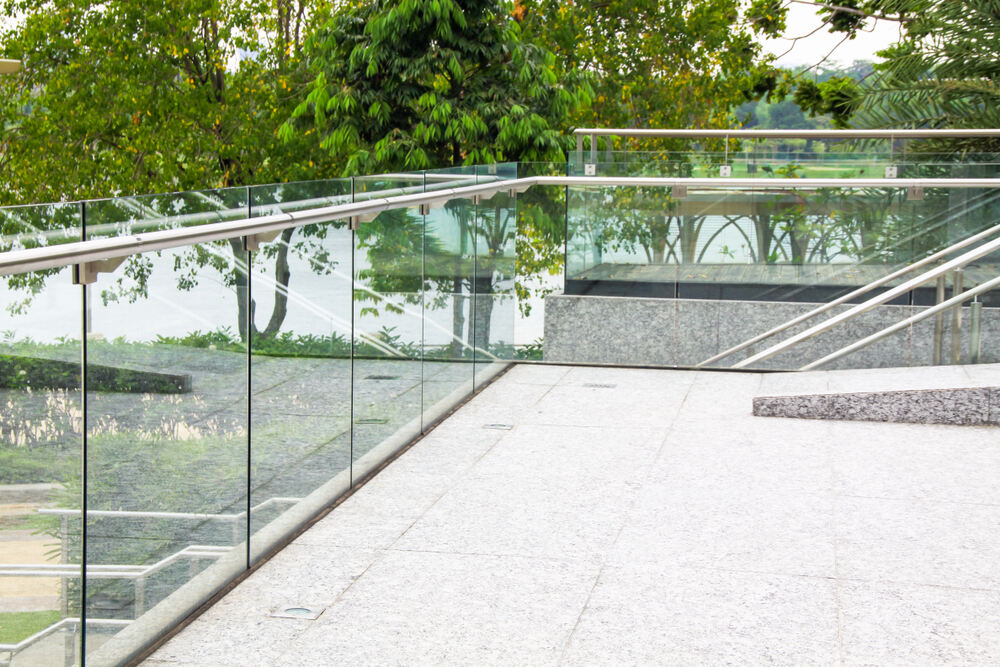
A storm rolls through overnight, and by morning everything looks fine. The garden is a bit battered, a few leaves on the deck — nothing major. But when you lean against your glass balustrade, something feels different. There is a subtle shift, a give in the frame that was not there before. Unstable balustrades do not always announce themselves dramatically. Sometimes the damage is structural, sometimes it is hidden beneath the surface, and often it is the kind of thing that builds quietly over time, only made worse by the next big weather event. This post walks through why storms create these problems, what the warning signs look like, and when a professional needs to get involved.
Why Storms Put Extra Stress On Balustrades
High winds and driving rain are not just inconvenient — they place significant physical force on balustrade systems that are designed primarily to support static loads, not sustained lateral pressure. A strong storm can test the limits of even a well-installed balustrade, particularly if there are pre-existing weaknesses in the fixings, posts or base plates.
The forces involved during a storm are worth understanding:
- Wind load pushes horizontally against glass panels, placing torque on spigots and channel systems
- Repeated gusting creates a flexing motion that gradually loosens fasteners
- Heavy rain infiltrates gaps in seals and around post bases, accelerating wear at the fixing points
- Waterlogged decking or substructure can shift slightly, putting uneven stress on balustrade posts
Signs Your Balustrade Has Been Compromised After A Storm
Not all storm damage is obvious. A glass panel that has shifted a few millimetres in its channel may not look wrong, but it may no longer meet the load-bearing requirements under Australian Standard AS 1657. Knowing what to look for makes early intervention far more straightforward.
Check your balustrade for these indicators after any severe weather:
- Any visible movement or wobble when the rail or panel is pushed firmly
- Gaps between the base plate and the decking or concrete that were not there before
- Cracked or lifting sealant around post bases and spigot bases
- Glass panels that appear to have shifted position within their channels
- Rust staining around fixings or at the base of posts, even if minor
Why Wollongong's Coastal Conditions Make This Worse
Properties near the coast face a compounding problem. Salt air accelerates corrosion on metal components, and coastal storms tend to carry more moisture and wind-driven spray than inland weather events. A storm damage balustrade situation that might be a minor inconvenience for a property further inland can become a more serious issue on a coastal block, because the hardware was likely already under environmental stress before the storm even arrived. For a broader look at how the local environment affects glass balustrades Wollongong homeowners rely on, the type of hardware and installation method matter enormously.
Coastal conditions create a challenging combination for balustrade hardware:
- Salt deposits accumulate in threaded fixings and around post bases, weakening the connection over time
- Marine-grade stainless steel resists this well, but lower-grade hardware corrodes much faster in salt air
- East-coast low weather systems bring both extreme wind and prolonged rain, which is particularly punishing for exposed fixings
- UV exposure degrades rubber and polymer seals, leaving metal components exposed to moisture even before a storm hits
Rust And Corrosion: The Hidden Damage You Can Not Always See
Balustrade corrosion is one of the more deceptive problems a homeowner can face. From the outside, a post can look perfectly sound while the fixing beneath the surface is actively deteriorating. This is especially true for posts set into concrete or timber decking, where moisture tends to pool rather than drain freely. If you want to understand the mechanics in more detail, this post on common coastal problems for glass balustrades covers the issue thoroughly.
Surface-level rust is often just the visible sign of a deeper issue:
- Corrosion at the base of a post reduces its effective embedment depth, compromising its ability to withstand lateral loads
- Staining around fixing bolts can indicate the bolt itself is corroding, not just the surface material
- Sealant that has failed around a post base allows water to infiltrate repeatedly, compounding the damage with every rain event
- Glass clamps and channel systems can corrode internally, reducing their grip on the panel without any visible external sign
What To Do If Your Balustrade Feels Loose Or Unstable
If you notice any movement in your balustrade, treat it as a safety concern and act promptly. Unstable balustrades do not fix themselves, and the load-bearing demands of a balustrade mean that a compromised system is a genuine risk, particularly on elevated decks and staircases.
Practical steps when you suspect a problem:
- Avoid putting weight on or leaning against the balustrade until it has been properly assessed
- Check whether the movement is isolated to one post or panel, or whether it is present across a larger section
- Look for obvious causes such as a loose bolt or failed sealant, but do not assume these are the only issues
- Contact a qualified professional rather than attempting a loose glass balustrade fix without understanding the full extent of the damage
Preventive Maintenance Before The Next Storm Season
The best time to think about your balustrade is well before a storm, not after one. Proactive coastal balustrade maintenance keeps the system structurally sound and gives you an early warning if something needs attention. This is especially important in coastal environments, where the load on hardware is continuous rather than just weather-driven.
A practical maintenance routine includes:
- Inspecting all post bases and spigot connections for sealant integrity at least once a year
- Rinsing metal components with fresh water regularly to remove salt and debris
- Checking that glass panels sit squarely in their channels with no visible shift or rattle
- Looking for early surface rust on fixings, particularly after extended wet periods
- Tightening any accessible fasteners if minor movement is detected before it becomes a bigger problem
When To Call In A Professional
Some balustrade issues sit within DIY territory — a loose bolt, a bead of fresh sealant. But when the movement is significant, when balustrade corrosion is at or below the deck surface, or when storm damage affects multiple panels or posts, the repair needs professional eyes. Attempting structural repairs without the right knowledge can mask a problem without solving it, which creates a more dangerous situation than leaving it alone.
Professional assessment is the right step when:
- The balustrade is on an elevated deck or staircase where a failure would result in a fall
- Corrosion has affected the post base or the substructure beneath the deck surface
- More than one panel or post is showing movement
- The balustrade is part of a pool fence, which has its own compliance requirements under NSW law
- The system is older and has not been formally inspected since it was first installed
Talk To The One Glass & Hardware Before The Next Storm
We at The One Glass & Hardware know that a balustrade concern after a storm is often more urgent than it looks. If you have noticed movement, surface rust or anything that does not feel quite right, we are here to help you work out what is going on and what needs to happen next. Whether you need replacement glass panels, hardware components, or advice on a repair, our team can point you in the right direction. Wollongong homeowners are welcome to request a quote for balustrade repairs, call us directly or visit our Unanderra workshop to talk through what you are dealing with.
